
By Andrea Melloncelli | January 19, 2026
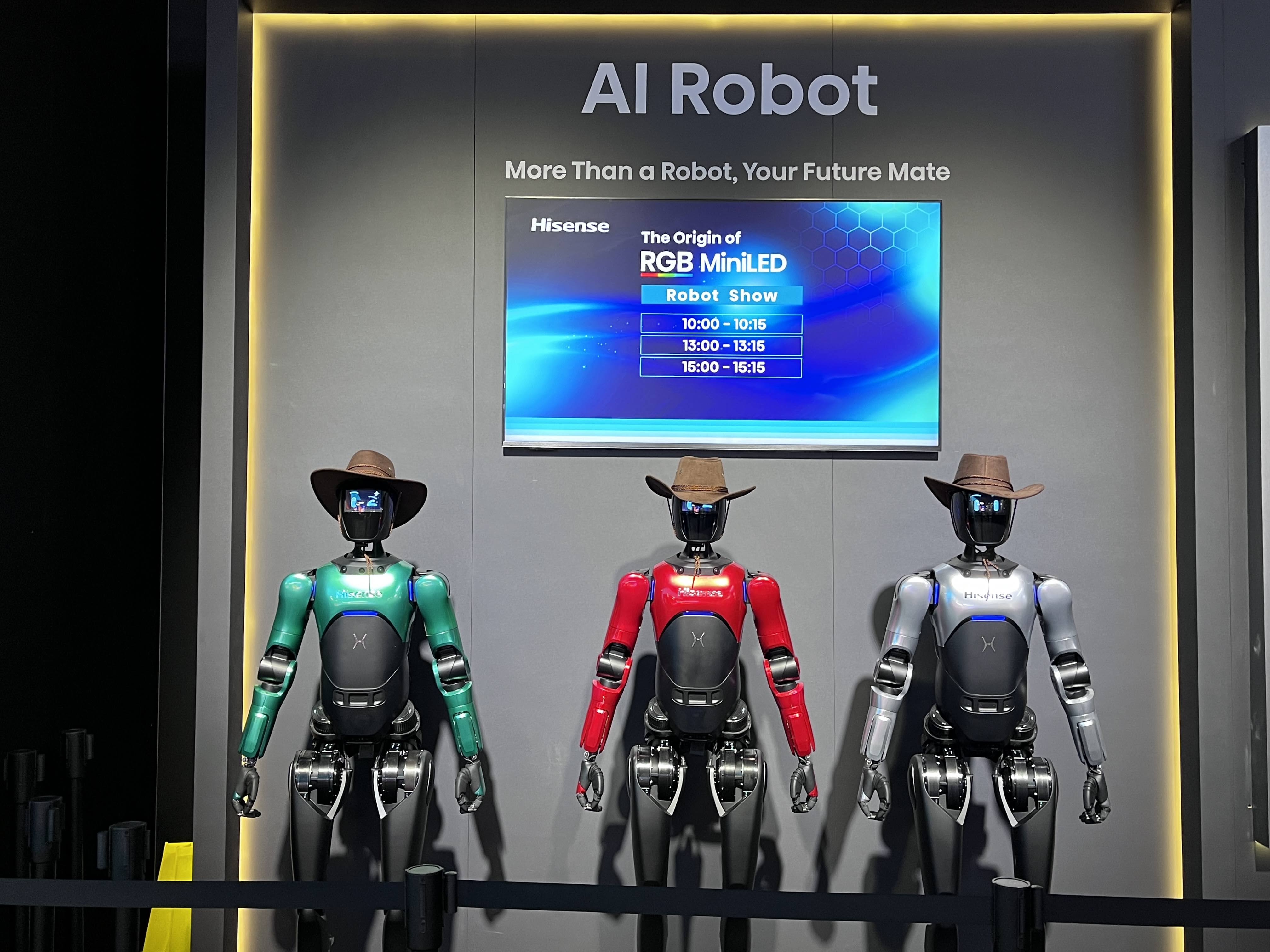
In today’s world, artificial intelligence is no longer confined to screens and software. We are witnessing a clear shift: AI is becoming Physical AI—intelligence that not only processes data, but perceives, decides, and acts in the real world. At the center of this transition are humanoid robots, machines designed with an increasingly human-like form and equipped with AI, sensors, hands, legs, and bodies able to interact naturally with human environments.
Table of Contents
- Table of Contents
- Why Humanoids? The Case for Physical AI
- What Humanoids Are Already Doing
- How People Perceive and Interact with Humanoids?
- Conclusion: Why We Care About Physical AI
Why Humanoids? The Case for Physical AI
Our world is built for human bodies. Doors, stairs, tools, workspaces, and even social behaviors are designed around human scale and movement. Humanoid robots are not just a design choice; they are a practical interface between artificial intelligence and the physical world. They allow Physical AI to operate in environments without requiring those environments to be redesigned.
At CES 2026, humanoids are no longer just prototypes behind glass. They are active systems, operating in public spaces, interacting with people, and demonstrating real-world capabilities. What we are seeing is not a distant future, but the early stages of a technological shift that will impact industry, services, and daily life.
What Humanoids Are Already Doing
The demonstrations at CES make this shift tangible. Humanoids are not only standing or walking—they are performing complex physical and social actions:
-
Martial arts and boxing: humanoids demonstrated coordinated full-body movements, balance, and controlled force, showing how far whole-body control has progressed.
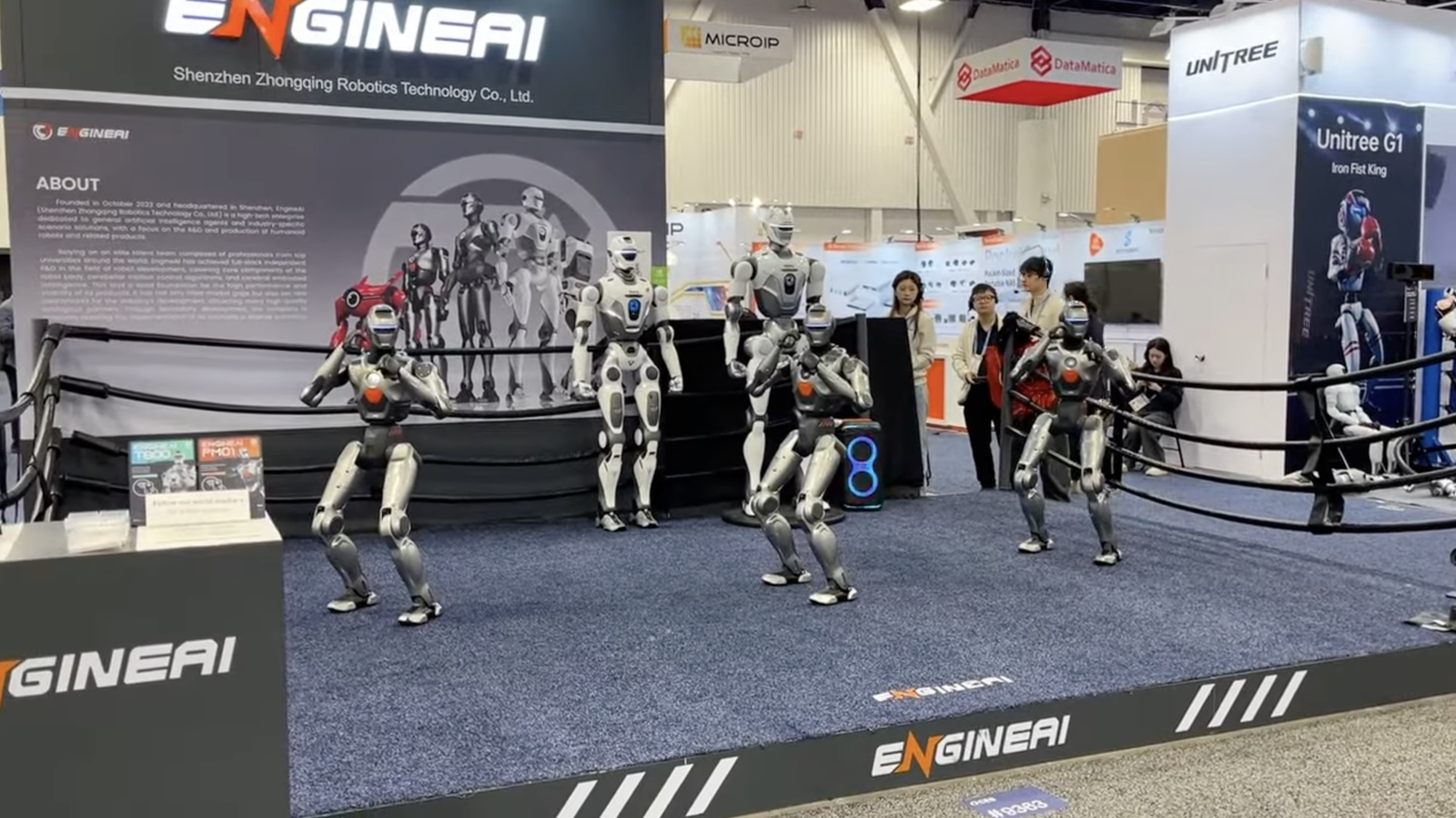 Martial arts demo: balance and control
 -
Table tennis: robots played ping-pong with humans, tracking fast-moving objects, estimating distance and trajectory, and reacting in real time.
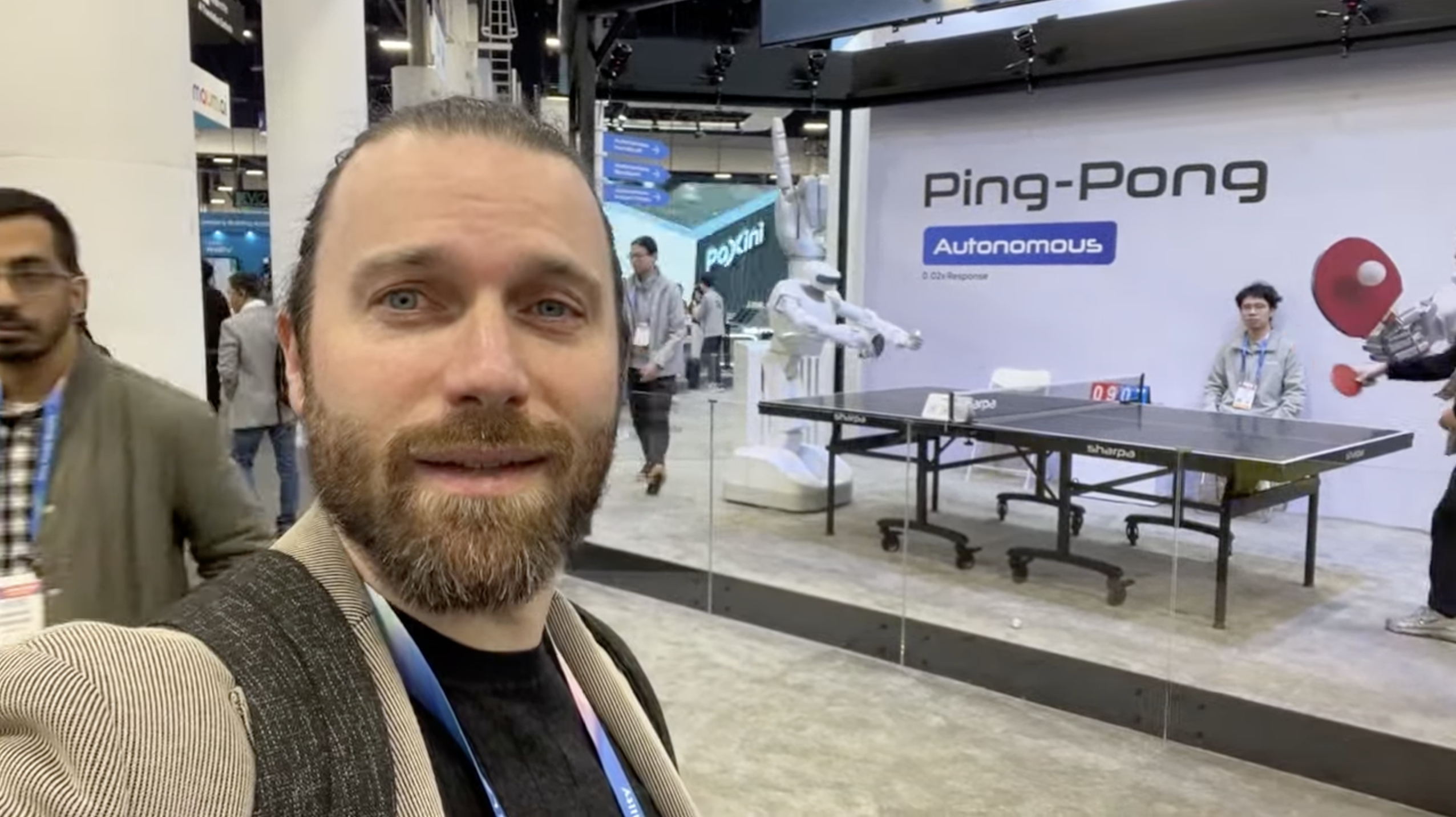 Ping-pong: tracking and reacting in real time
 -
Blackjack dealing: in Las Vegas this could not be missing, a humanoid acted as the dealer at a blackjack table, managing cards and interacting smoothly with players.
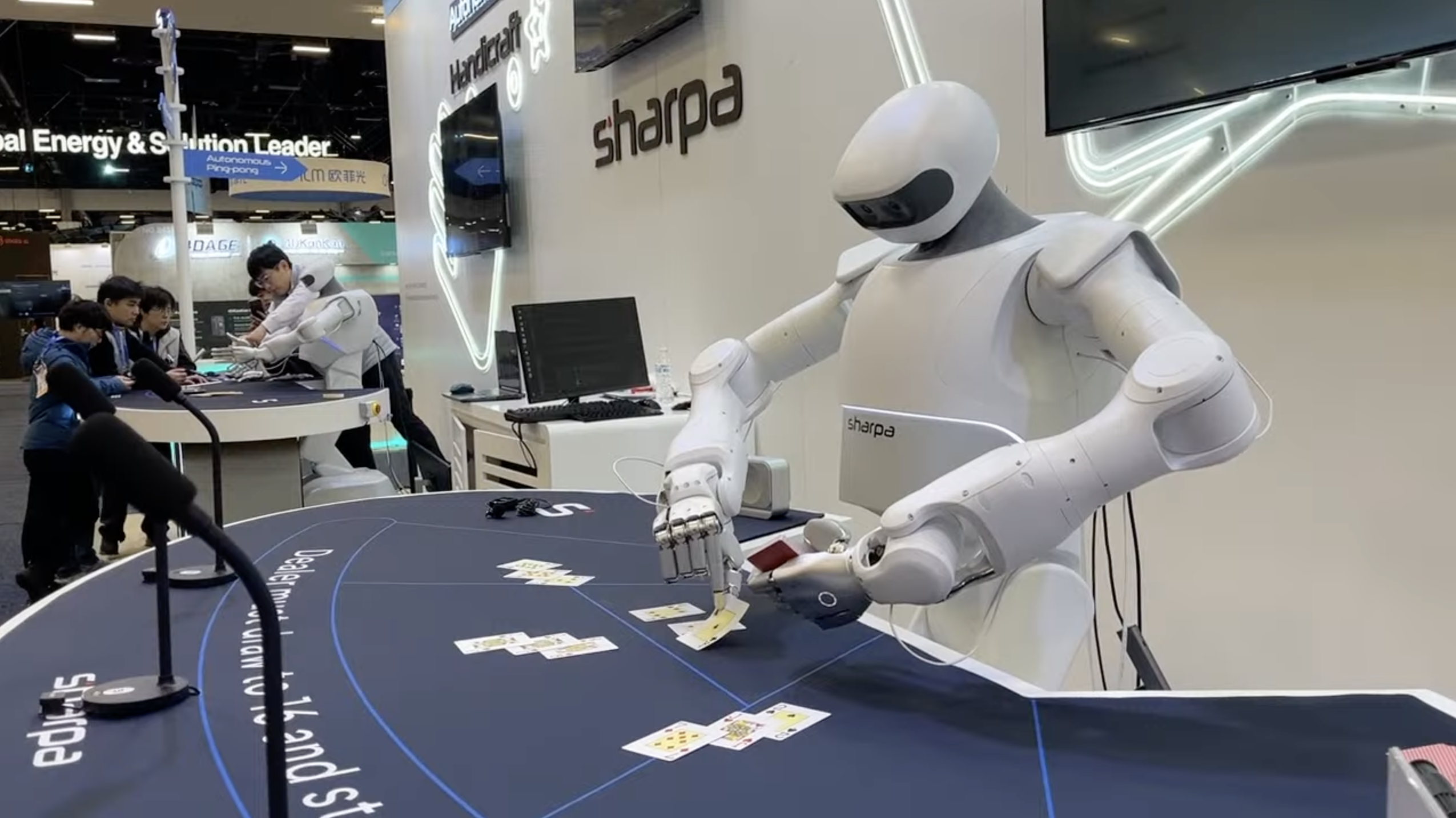 Blackjack: humanoid dealer in action
 -
Photography at booths: positioned at exhibition stands, humanoids took photos of visitors, recognizing people and timing interactions appropriately.
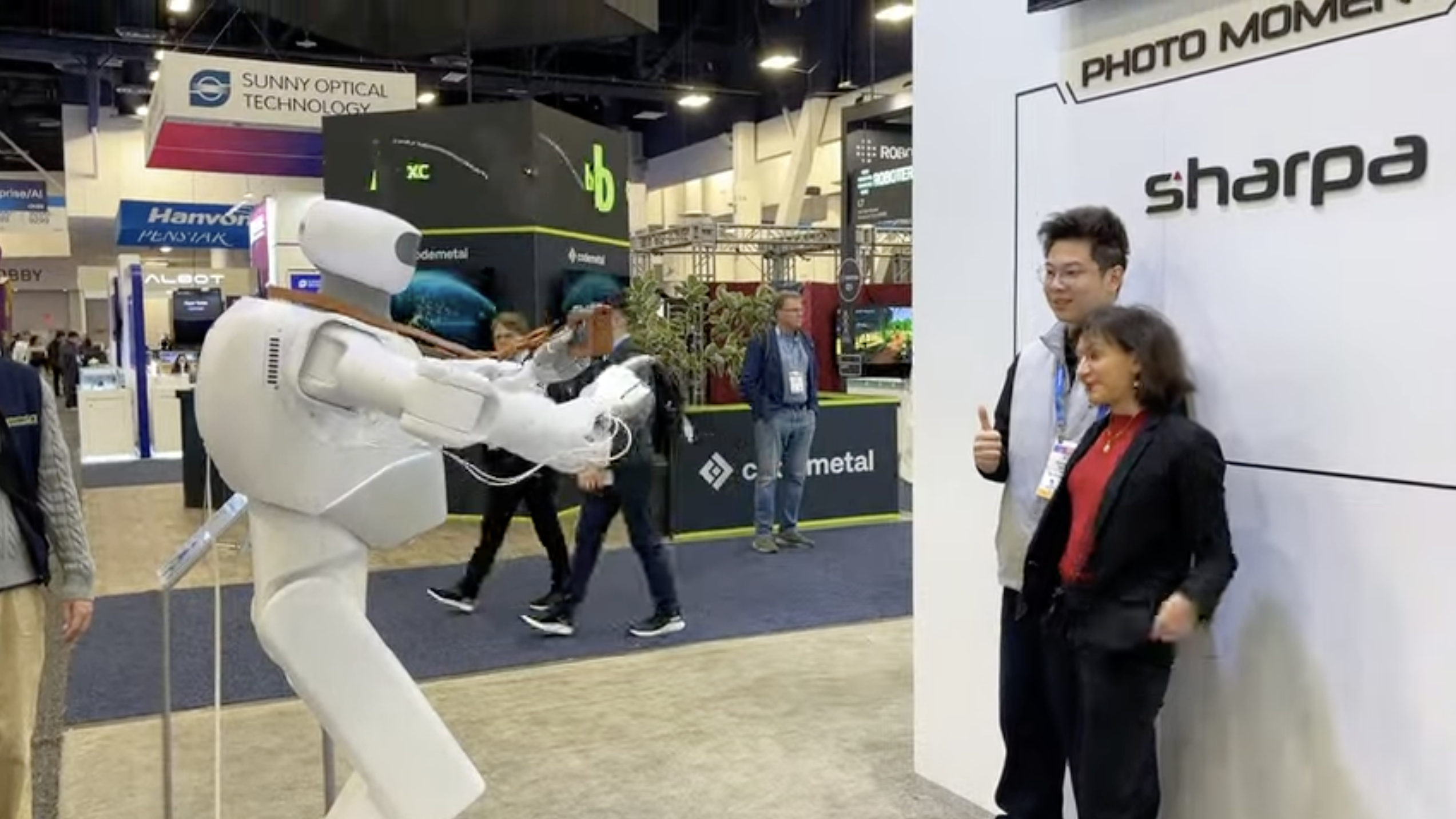 Humanoid taking a photo of visitors
 -
Accomplishing Industrial Tasks: humanoids demonstrated order-picking tasks in warehouse-like settings, showcasing their ability to navigate, identify items, and manipulate objects.
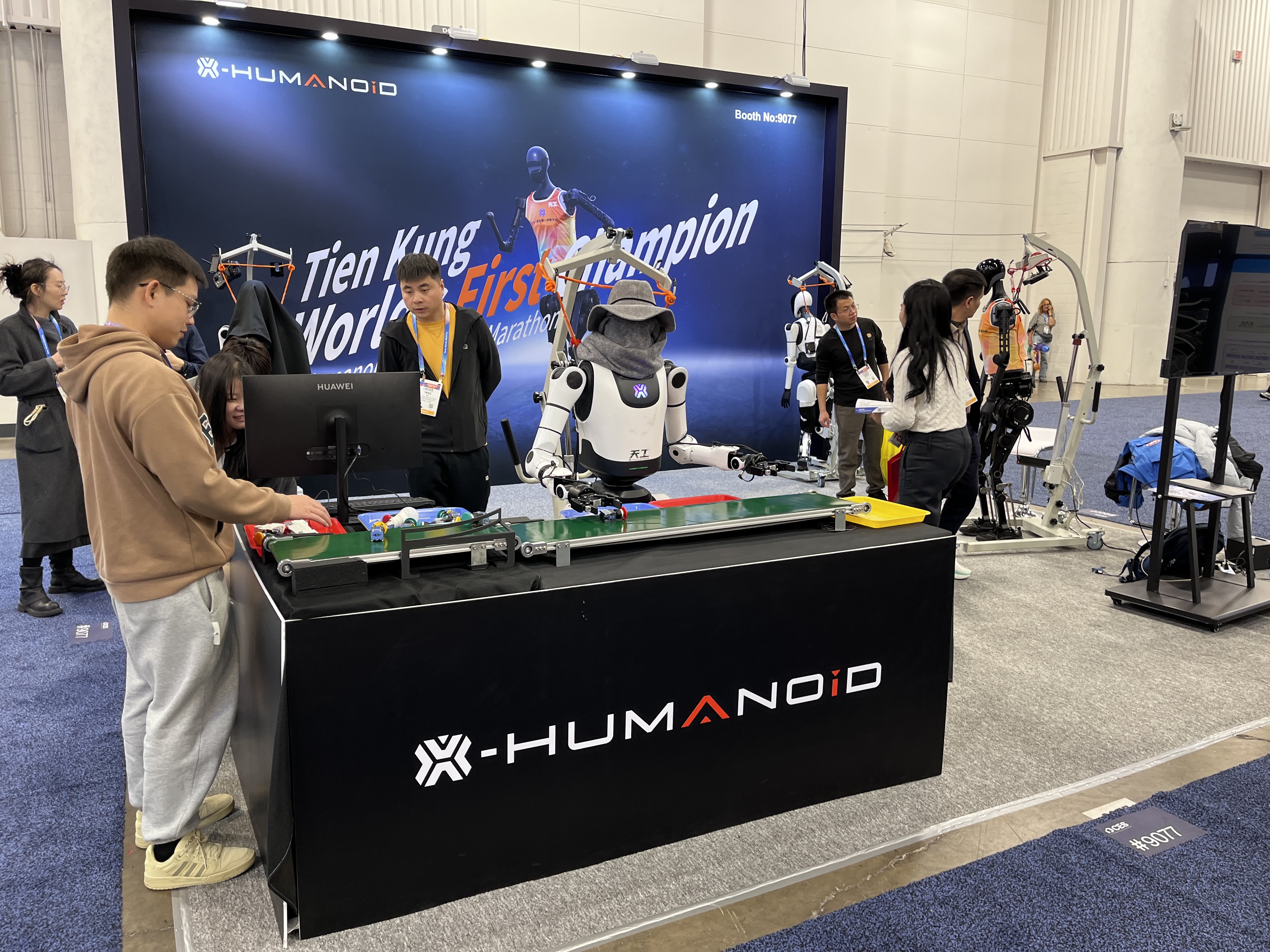 Robot collecting and grouping real items by type
These actions may look playful, but they are complex: each one combines perception, decision-making, and physical execution.
How People Perceive and Interact with Humanoids?
One of the most striking changes at CES 2026 was not just in the robots themselves, but in how people behaved around them. As humanoids become more capable and present in public spaces, human reactions are evolving in subtle but important ways.
-
From curiosity to casual interaction: Where once people might have kept their distance or treated robots as mere curiosities, now there are moments of spontaneous, almost human-like interaction. For example, during a break, someone casually put their hands on a humanoid’s shoulders—just as you might with a teammate or friend. This wasn’t part of a demo, but a natural gesture, suggesting that in some contexts, humanoids are starting to be treated less like objects and more like individual entities.
-
Less intimidation, more approachability: Many of the humanoids on display were intentionally smaller than adult humans—closer to the size of a teenager. This design choice makes them less intimidating and encourages people to approach and interact with them more freely.
-
Integration into shared spaces: Humanoids are no longer confined to booths or separated demo areas. Some moved through corridors and mingled with attendees, navigating normal foot traffic. People adapted their behavior, waiting, cooperating, and even making way for robots as if they were fellow participants.
These early shifts in perception and behavior are as important as the technical advances. They will shape how humanoids are accepted, trusted, and integrated into society in the years to come.
Conclusion: Why We Care About Physical AI
At Vanlog, we are particularly interested in Physical AI because it represents a new technological platform—one that connects AI models, sensors, hardware, simulation, and real-world constraints into a single system. Humanoids are one of the most visible expressions of this shift, but they are only the beginning.
In future articles, we will return to this topic to explore the underlying technologies, the challenges ahead, and how Physical AI is evolving across industries and applications. The intelligence of the future will not live only in the cloud—it will share our physical world with us.